Becoming a Better Fact Checker
Learning to fact-check any and all claims across the internet has become an increasingly valuable skill. When it's become so easy to make a “professional” news site, even as just a single person, any and all claims we see should be met with skepticism. For this blog post, I will show you how I work through checking a claim I recently found here on “The Real News Network.”
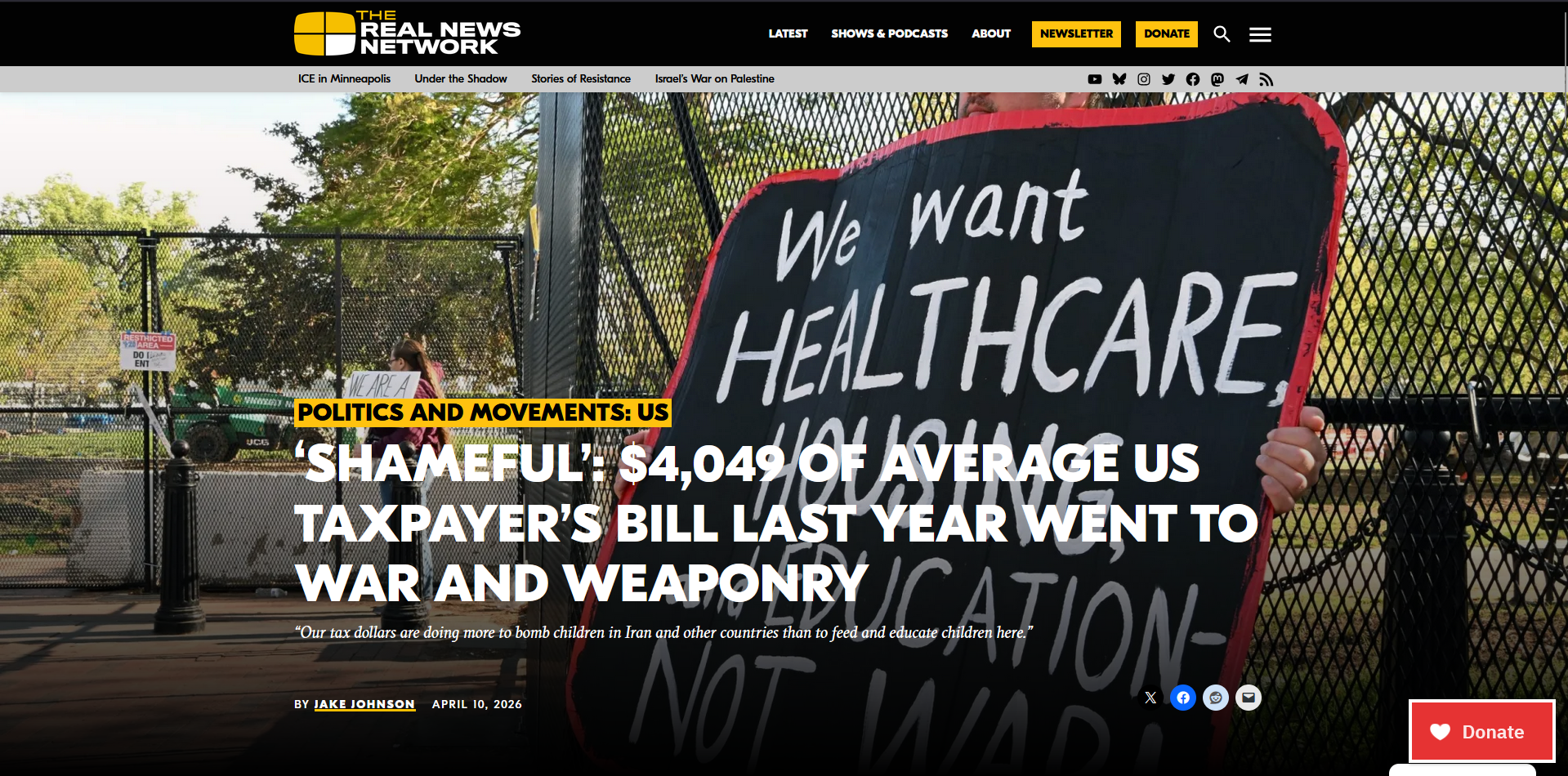
When I first came across this article, the first red flag that I saw was the use of the word “Shameful” at the beginning of the headline. The use of this kind of emotional language, especially in headlines, is often a telltale sign of exaggerated claims or clickbait.
Step one
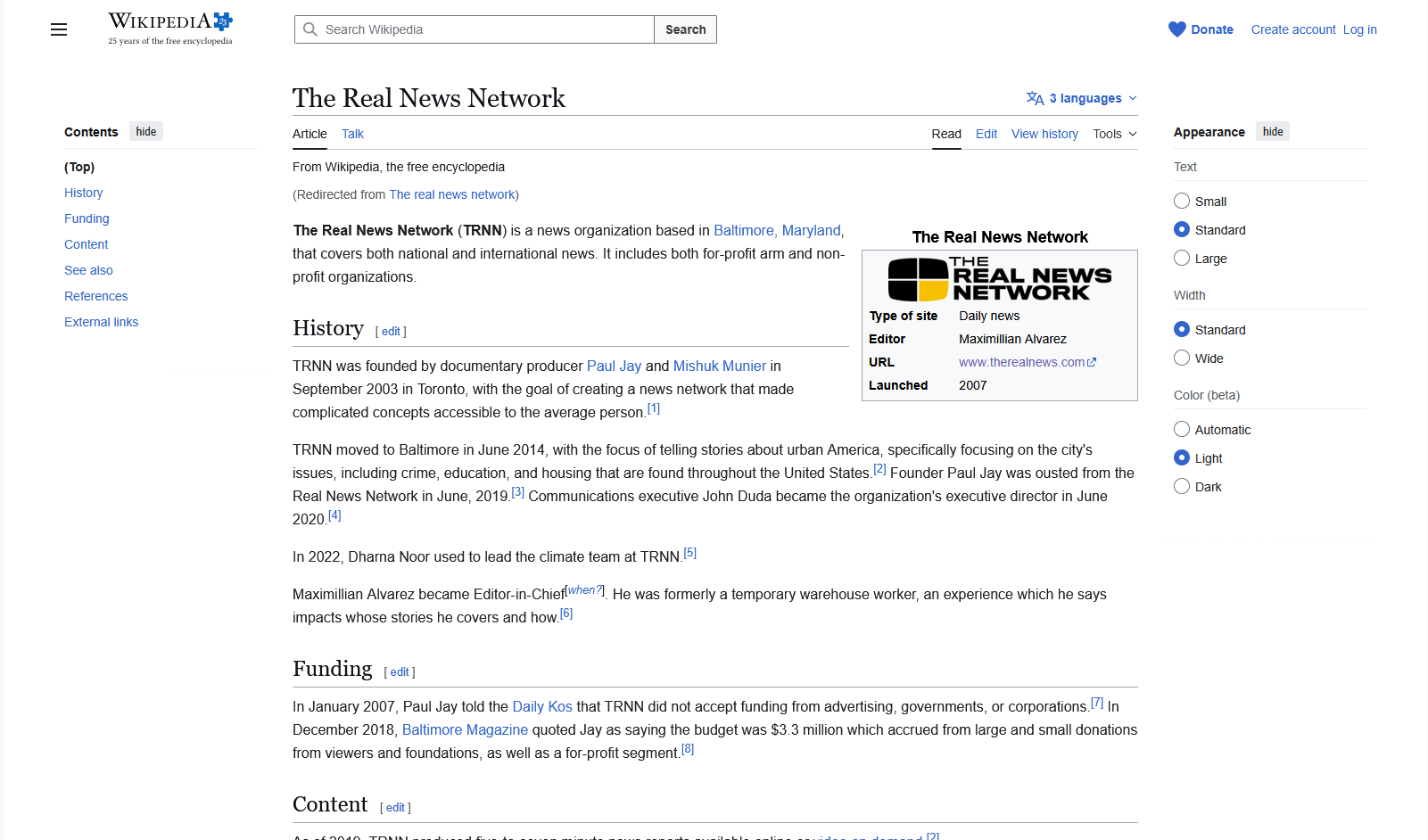
The first thing I do when starting my checks is check the source. “The Real News Network” is already an interesting title to use and can often fake legitimacy to its readers. To see what kind of organization this is, a simple way to start is to look up the name on Wikipedia. After reading the Wikipedia article, nothing jumped out that suggested the organization has any explicit political alignments.
Step two
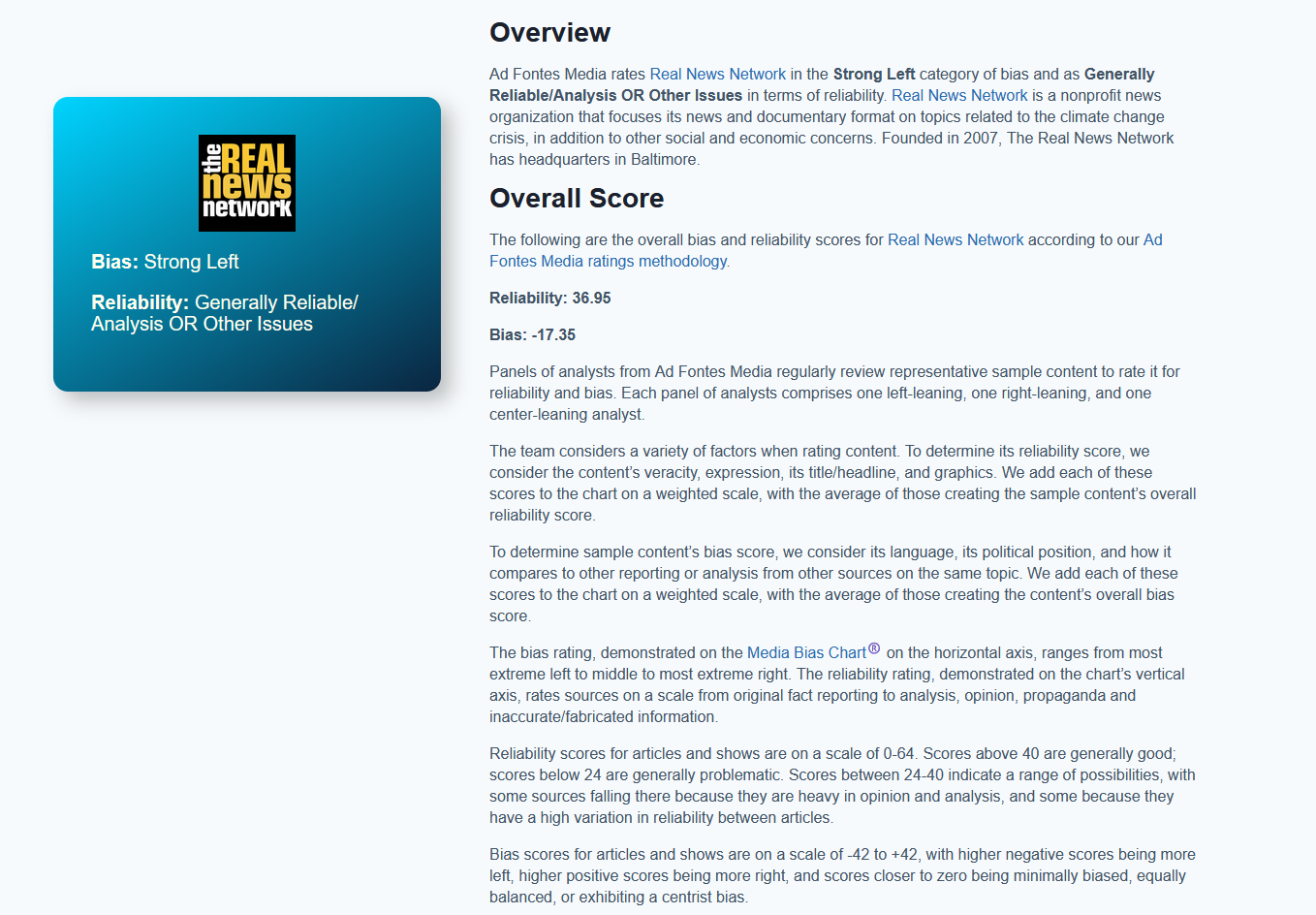
The second item I checked was Ad Fontes Media, a web service that aims to check and compare news outlets' bias and reliability. According to Ad Fontes, The Real News Network has a very strong left-leaning bias, yet its reliability seems to be okay.
Step Three
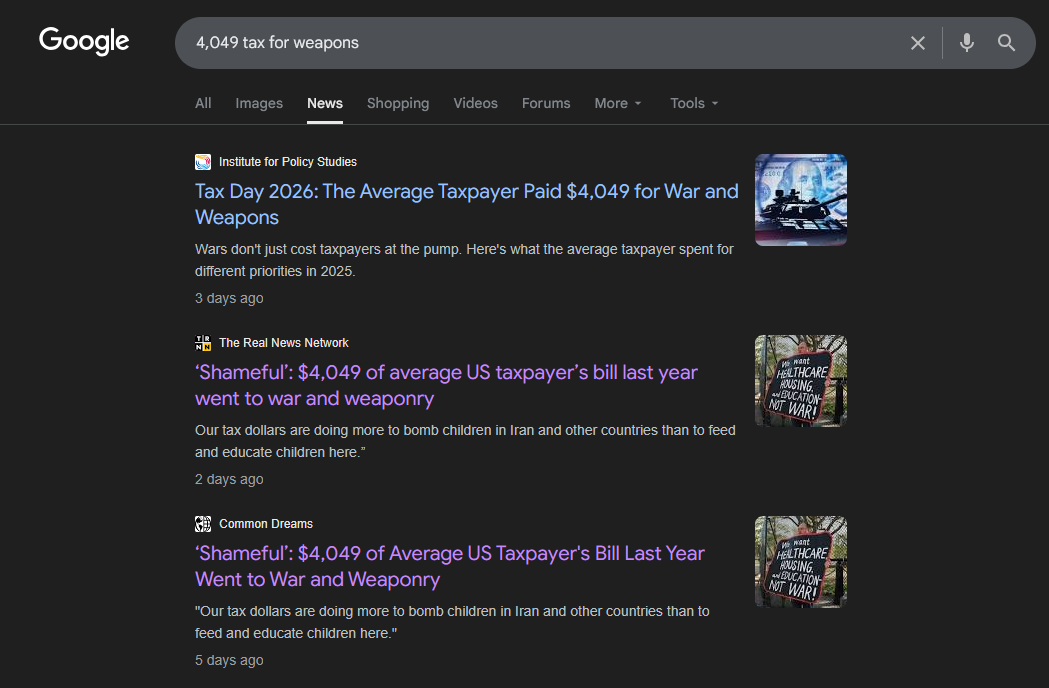
Now that we know the outlet has a strong left-leaning bias, the next step is to check whether other news sources also reported on this claim and how they covered it. After a Google search for a few keywords from the article, the news tab only shows the entries: one is the Real News Network article, the second is the original source from Common Dreams, and the third is the original report from the Institute for Policy Studies (IPS).
Step four
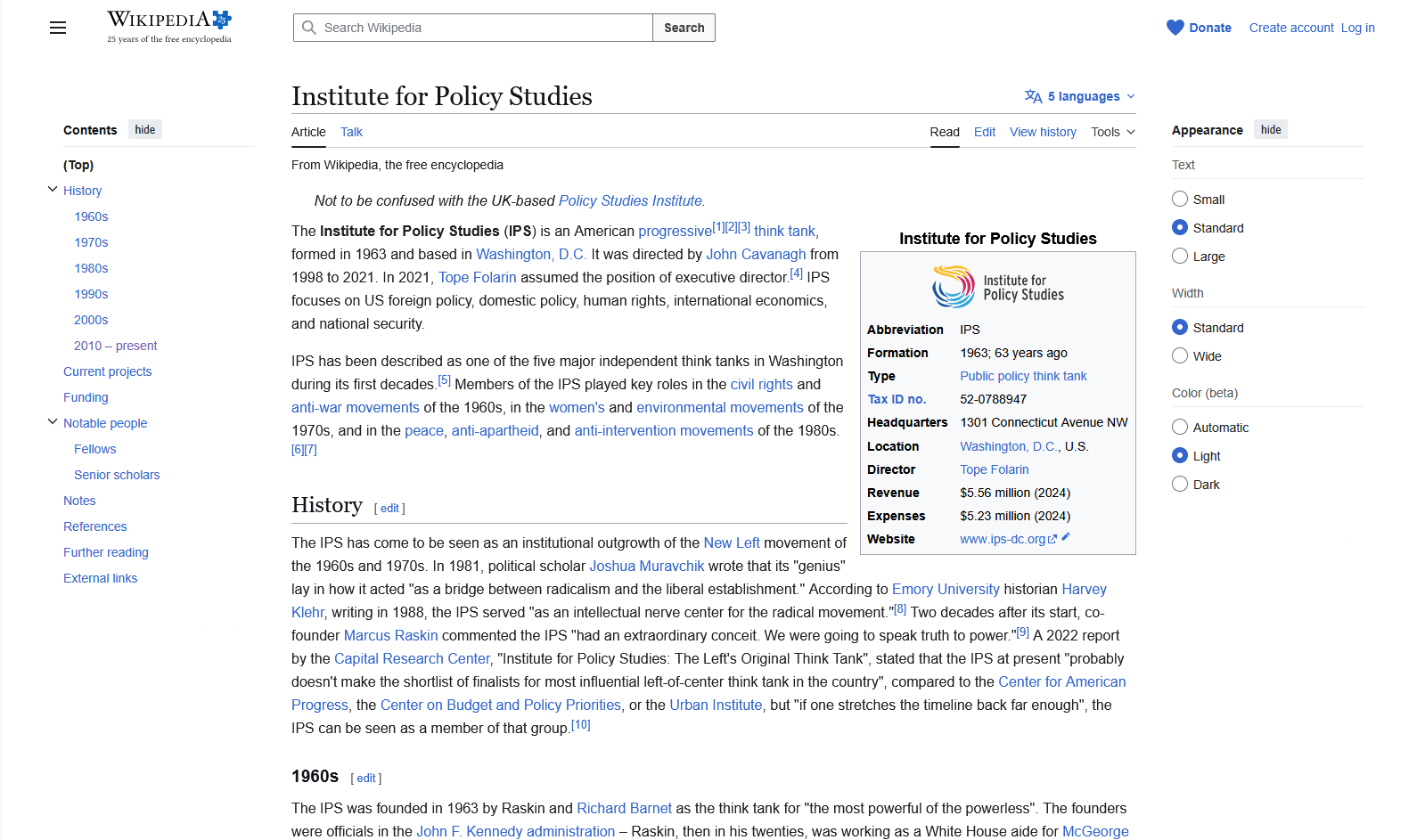
Since we have now found the original source for the claim, I would very much like to check it for any possible bias or agenda. To do so, we start again with searching Wikipedia for the Institute to see what it says. Through the Wikipedia Article, we can see that the IPS, while regarded as independent, has been very critical of recent U.S. policies starting around the 2010s.
“In recent years, the IPS has been critical of US foreign policy in the Middle East, particularly in the Israeli-Palestinian conflict. Currently, its main focus is in five areas: economic inequality, race and gender considerations, climate change, foreign policy, and leadership development.” - Wikipedia Article on IPS
Step five
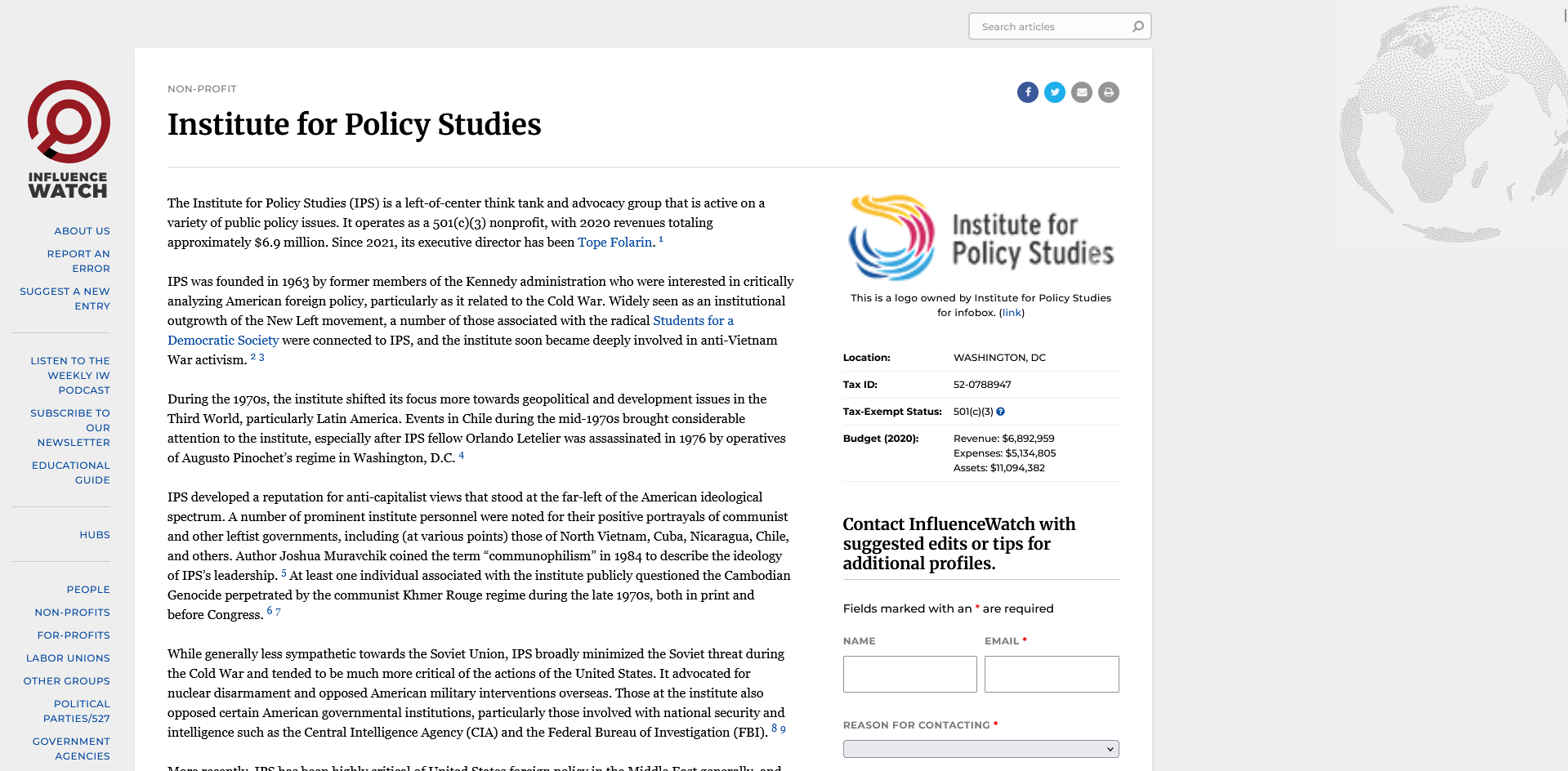
Digging into the source for the above quote from Influence Watch also reveals how the IPS has held anti-U.S. war and anti-capitalistic views for quite some time.
So now, looking at everything we have found about this claim holistically, we can see that while the data alone from the IPS can be seen as reliable, and the claim can be trusted on face value, since the report is incredibly new, there have not been any other sources that have validated its claims. The source itself may also not be entirely honest in its presentation of the facts since IPS is known to work against the U.S.’s policies and especially its war policies, regardless of the current administration.
It is claims like these, while possibly entirely factual in their data, that can be used and manipulated by biased news agencies in order to encourage or outright force people to think a certain way. And while this claim specifically came from a left-leaning news source, both sides of the political spectrum are equally capable and known to use these kinds of tactics.